Probiotics essential to aid gut health
Published on April 11, 2026
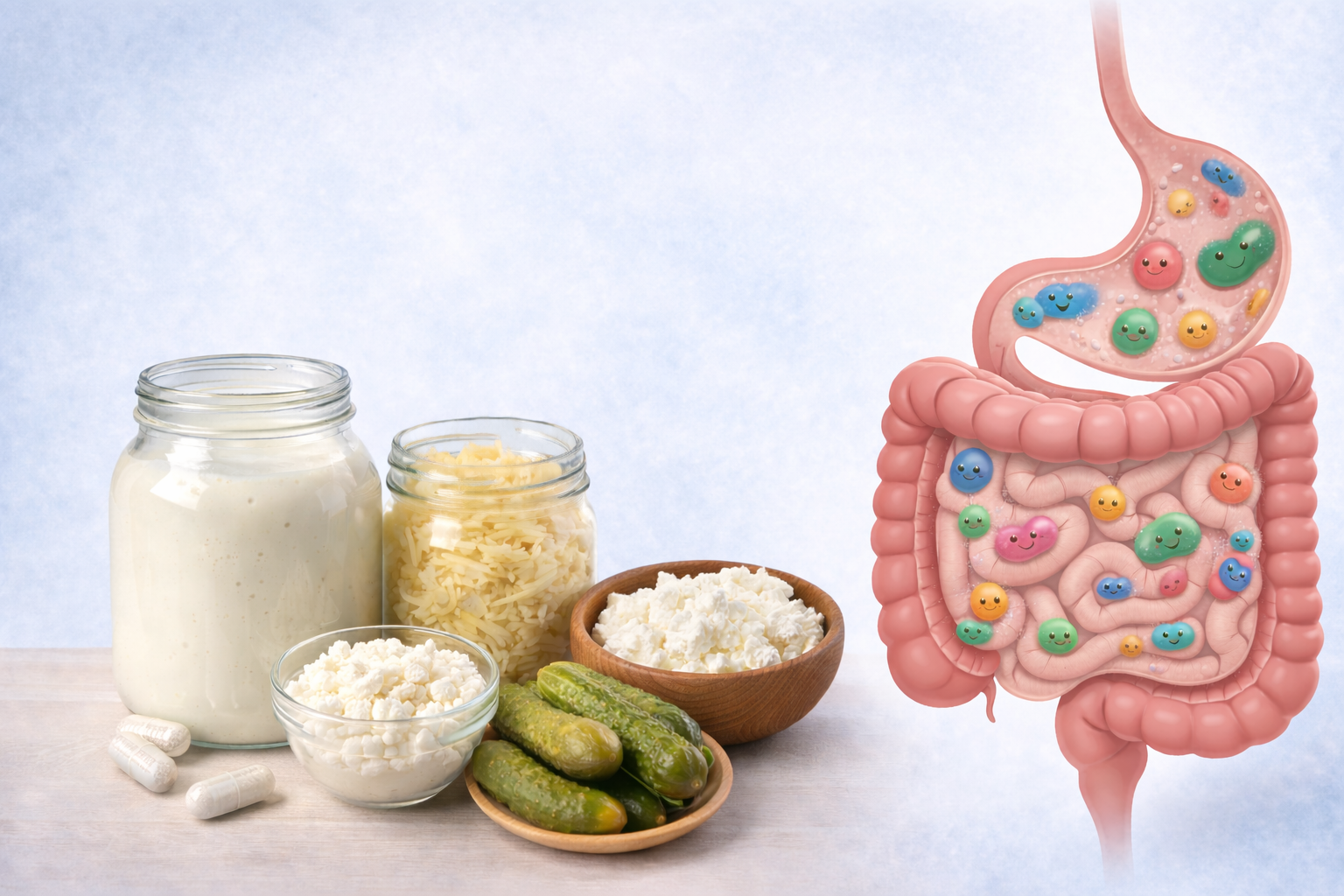
The human gut hosts trillions of microorganisms, collectively known as the gut microbiome, which play a critical role in digestion, immunity, metabolism, and even mental well-being. When this delicate ecosystem falls out of balance, a condition called dysbiosissets in, wherein issues like bloating, irregular bowel movements, weakened immunity, and inflammation can arise. According to the World Health Organization, probiotics are “live microbes which confer a health benefit to the host when administered in adequate amounts.” Most probiotics belong to the genera Lactobacillus and Bifidobacterium, along with certain yeasts like Saccharomyces boulardii. These microbes are naturally present in fermented foods and can also be consumed as dietary supplements in capsule, powder, or liquid form.
Probiotics work through several mechanisms. They compete with harmful pathogens for space and nutrients in the gut, produce antimicrobial substances such as bacteriocins, lactic acid, and short-chain fatty acids (SCFAs) like butyrate, and strengthen the intestinal barrier by enhancing tight junctions and mucin production. They also modulate the immune system by influencing cytokine production and reducing inflammation. Some strains synthesize vitamins or help metabolize bile salts. These actions collectively foster a healthier microbial environment and improve gut function.
The Gut Microbiome and Why It Matters
The gut microbiome consists of bacteria, yeasts, viruses, and other microbes that outnumber human cells in the body. A diverse and balanced microbiome aids in breaking down complex carbohydrates and fibers that the small intestine cannot digest, producing SCFAs that provide energy to colon cells, regulate pH, and reduce inflammation. It also trains the immune system, influences mood via the gut-brain axis, and helps prevent the overgrowth of harmful bacteria.
Factors such as antibiotics, poor diet, stress, illness, and aging can disrupt this balance, leading to reduced microbial diversity and increased susceptibility to infections, digestive disorders, and chronic conditions. Probiotics help counteract these disruptions by repopulating beneficial bacteria and supporting the existing microbiome.
Scientific evidence strongly supports the use of specific probiotic strains for certain gut-related issues:
- Antibiotic-Associated Diarrhea (AAD): Antibiotics often kill both harmful and beneficial bacteria, leading to diarrhea in up to 30% of users. Meta-analyses show that probiotics, particularly Lactobacillus rhamnosus GG (LGG) and Saccharomyces boulardii, can reduce the risk of AAD by about 37-63% in adults and children.
- Acute Infectious Diarrhea: Strains like LGG can shorten the duration of diarrhea by approximately one day, especially in children with rotavirus or other causes.
- Irritable Bowel Syndrome (IBS): Certain probiotics, including Bifidobacterium infantis and multi-strain formulations with bifidobacteria, help alleviate symptoms such as abdominal pain, bloating, and irregular bowel habits. Benefits are strain-specific and more pronounced with bifidobacteria than single lactobacillus strains alone.
- Inflammatory Bowel Disease (IBD): In ulcerative colitis, strains like Escherichia coliNissle or the multi-strain VSL#3 (De Simone Formulation) show promise as adjunct therapy to standard treatments, helping maintain remission and reduce inflammation. Evidence for Crohn’s disease is less conclusive but emerging.
- Gut Barrier Function and Pathogen Resistance: Probiotics enhance the intestinal lining, reducing the risk of bacterial translocation and supporting colonization resistance against invaders like Clostridioides difficile. They also aid lactose digestion in intolerant individuals by producing lactase-like enzymes.
Beyond digestion, probiotics influence broader health. They support immune function, potentially reducing respiratory infections, and may play roles in metabolic health, weight regulation, and even skin or mental health through the gut-brain axis, though more research is needed for these areas.
The best way to incorporate probiotics is through diet. Fermented foods provide a variety of live cultures along with other beneficial compounds:
- Yogurt and kefir (look for “live and active cultures”)
- Sauerkraut and kimchi (unpasteurized)
- Miso, tempeh, and natto
- Kombucha and certain pickles (fermented, not vinegar-brined)
- Cottage cheese with live cultures
These foods not only deliver probiotics but also contribute prebiotics—fibers that feed beneficial bacteria—creating a synergistic effect known as synbiotics when combined.A fiber-rich diet (aim for 25–30 grams daily) naturally supports prebiotic intake and microbiome diversity more reliably than supplements alone for healthy individuals.
Most people tolerate probiotics well, but initial use can cause mild, temporary side effects like gas, bloating, or changes in bowel habits as the microbiome adjusts. These usually resolve within days to weeks.
Probiotics are not a cure-all, but when used appropriately—ideally as part of a holistic approach including diet and lifestyle—they are essential allies for gut health. By restoring microbial balance, strengthening the gut barrier, and supporting digestion and immunity, specific probiotic strains can alleviate discomfort and promote overall wellness. As research advances, our understanding of personalized microbiome support will continue to grow, offering even more targeted ways to nurture this vital ecosystem.Embracing probiotics through everyday foods and evidence-based choices empowers better digestive health and contributes to long-term vitality.