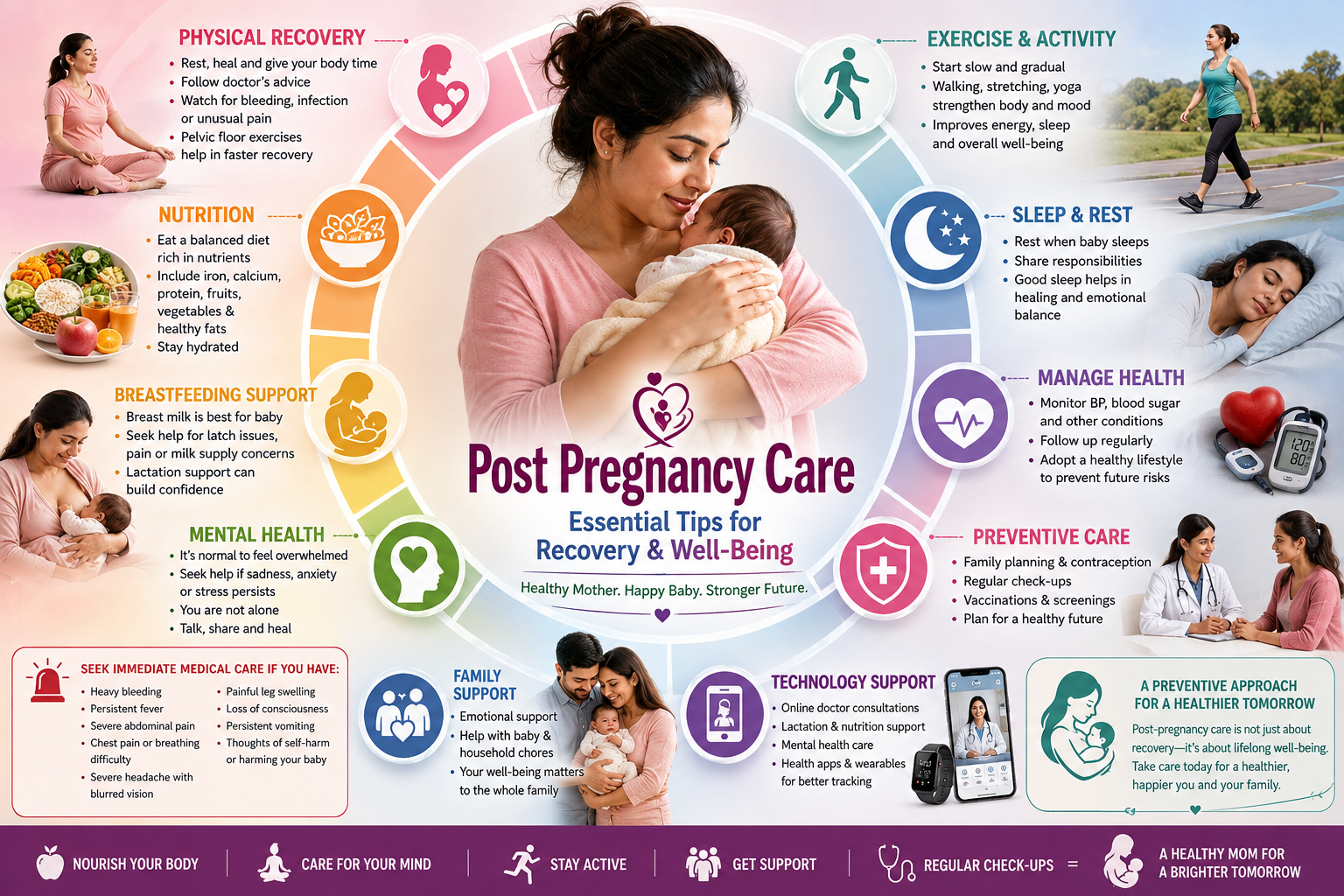
Post Pregnancy Care: Essential Tips for Recovery & Well-Being
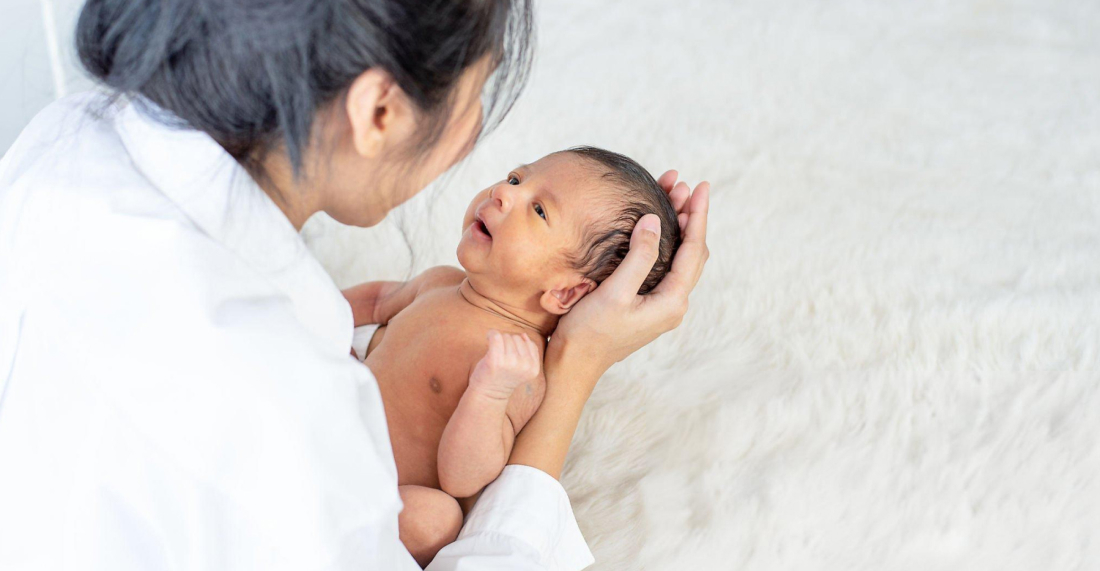
Published on August 4, 2026
Every Mother Deserves Care After Childbirth
The birth of a child is one of life's most joyous moments, but it also marks the beginning of a crucial phase in a woman's health journey. While pregnancy and delivery often receive significant medical attention, the weeks and months after childbirth—commonly known as the postpartum or post-pregnancy period—are equally important. During this time, a mother's body undergoes remarkable physical healing while simultaneously adapting to hormonal changes, breastfeeding, sleep deprivation, and the responsibilities of caring for a newborn.
Unfortunately, many women receive limited medical attention after delivery, even though this period carries important health risks and opportunities for preventive care. Comprehensive post-pregnancy care improves recovery, reduces complications, supports emotional well-being, strengthens maternal confidence, and lays the foundation for lifelong health.
Why Post Pregnancy Care Matters
The postpartum period is often called the "fourth trimester" because significant physical and emotional changes continue long after childbirth. Whether the delivery was vaginal or by caesarean section, the body requires time to heal.
Proper post-pregnancy care helps:
- Promote faster physical recovery
- Detect complications early
- Support breastfeeding
- Improve emotional well-being
- Restore nutritional health
- Prevent chronic diseases
- Enhance family quality of life
Healthy mothers are better able to care for their babies, maintain healthy relationships, and participate actively in family and professional life.
Physical Recovery After Childbirth
Recovery differs for every woman. Some recover within a few weeks, while others may need several months, particularly after complicated pregnancies or surgical deliveries.
Routine postnatal assessments should evaluate:
- Blood pressure
- Excessive bleeding
- Uterine healing
- Caesarean or episiotomy wound healing
- Pelvic floor recovery
- Pain management
- Urinary or bowel symptoms
- Signs of infection
Women should promptly seek medical care if they develop heavy bleeding, persistent fever, severe abdominal pain, chest pain, difficulty breathing, swelling of one leg, or severe headaches.
Nutrition: Rebuilding the Body
Pregnancy and childbirth place significant nutritional demands on the body. Mothers need adequate nutrients to support tissue healing, immune function, hormone balance, and breastfeeding.
A balanced diet should include:
- Fresh vegetables
- Seasonal fruits
- Whole grains
- Pulses and legumes
- Lean proteins
- Dairy or calcium-rich alternatives
- Nuts and seeds
- Healthy fats
Important nutrients include:
- Iron
- Calcium
- Vitamin D
- Vitamin B12
- Folate
- Omega-3 fatty acids
- Protein
Adequate hydration is equally important, particularly for breastfeeding mothers.
Breastfeeding Support
Breastfeeding provides numerous health benefits for both mother and baby. However, many mothers experience challenges during the first few weeks.
Common concerns include:
- Poor latch
- Nipple pain
- Breast engorgement
- Perceived low milk supply
- Mastitis
- Feeding anxiety
Early guidance from trained healthcare professionals and lactation consultants can improve breastfeeding success and reduce unnecessary stress.
Mental Health is just as important
Emotional health deserves the same attention as physical recovery.
Many mothers experience temporary mood changes after childbirth. However, persistent symptoms may indicate postpartum depression or anxiety.
Warning signs include:
- Persistent sadness
- Excessive crying
- Loss of interest in daily activities
- Difficulty bonding with the baby
- Severe anxiety
- Feelings of guilt
- Sleep disturbances unrelated to infant care
- Thoughts of self-harm or harming the baby
These conditions are medical illnesses, not personal failuresand respond well to early treatment. Screening during postpartum visits should be a routine part of postpartum carecare.
Exercise and Physical Activity
Gentle physical activity helps mothers regain strength and confidence.
Benefits include:
- Improved circulation
- Better mood
- Reduced fatigue
- Stronger muscles
- Pelvic floor recovery
- Weight management
- Better cardiovascular health
After medical clearance, women may gradually include:
- Walking
- Stretching
- Pelvic floor exercises
- Core strengthening
- Yoga
- Low-impact aerobic exercise
Exercise programs should be individualized according to recovery and underlying medical conditions.
Sleep and Rest: Essential for Healing
Sleep deprivation affects nearly every new parent. Poor sleep contributes to:
- Fatigue
- Mood changes
- Reduced immunity
- Poor concentration
- Delayed healing
Families should actively support new mothers by sharing childcare responsibilities and allowing opportunities for restorative rest whenever possible.
Managing Chronic Health Conditions
Pregnancy sometimes reveals underlying health risks.
Women who experienced:
- Gestational diabetes
- High blood pressure
- Preeclampsia
- Thyroid disorders
- Obesity
should continue long-term follow-up because these conditions increase the future risk of:
- Type 2 diabetes
- Heart disease
- Stroke
- Kidney disease
Post-pregnancy care provides an excellent opportunity to adopt healthier lifestyles and reduce these long-term risks.
Preventive Healthcare Beyond Delivery
Childbirth should not mark the end of preventive healthcare.
Postpartum visits should include discussions on:
- Family planning
- Contraception
- Cervical cancer screening
- Breast health awareness
- Vaccinations
- Healthy weight management
- Nutrition counselling
- Lifestyle modification
- Future pregnancy planning
Preventive care empowers women to remain healthy throughout every stage of life.
The Role of Family Support
Recovery is easier when mothers receive emotional and practical support.
Partners and family members can help by:
- Sharing household responsibilities
- Assisting with newborn care
- Encouraging adequate rest
- Providing emotional reassurance
- Accompanying mothers to medical appointments
- Recognizing signs of emotional distress
Strong family support improves maternal mental health and strengthens parent-child bonding.
Technology Is Transforming Post Pregnancy Care
Digital healthcare is making postpartum support more accessible than ever.
Modern services include:
- Online doctor consultations
- Virtual lactation support
- Telemedicine follow-ups
- Nutrition counselling
- Mental health consultations
- Remote monitoring
- Mobile health applications
- Wearable health devices
These innovations complement in-person care and improve access for mothers living in rural or underserved areas.
When Should You Visit Your Doctor Immediately?
Seek urgent medical attention if you experience:
- Heavy vaginal bleeding
- Persistent fever
- Severe abdominal pain
- Chest pain
- Difficulty breathing
- Loss of consciousness
- Severe headache with blurred vision
- Painful leg swelling
- Persistent vomiting
- Thoughts of self-harm or harming your baby
Early recognition and treatment can prevent life-threatening complications.
A Preventive Medicine Approach to Motherhood
Preventive medicine extends far beyond treating illness. It focuses on preserving health, identifying risks early, and empowering individuals to make informed lifestyle choices.
Post-pregnancy care reflects this philosophy. By emphasizing nutrition, physical activity, mental health, preventive screening, breastfeeding support, chronic disease prevention, and regular medical follow-up, healthcare providers can improve not only maternal outcomes but also the health of future generations.
Conclusion
Motherhood begins long before delivery and continues well beyond the first few weeks after childbirth. Every mother deserves comprehensive, compassionate, and evidence-based care during this critical period. Post-pregnancy care is not merely a follow-up appointment, it is a vital investment in physical recovery, emotional resilience, family well-being, and long-term quality of life and rests in the hands of your preventive medicine physician who would be working along with your Obstetrician.
When mothers receive appropriate medical guidance, nutritional support, mental health care, and preventive health services, they are better equipped to thrive, care for their children, and enjoy a healthier future. Prioritizing post-pregnancy care is one of the most effective ways to strengthen families and build healthier communities.