Mangalore International Airport urgently needs PoC to enable foreign aircraft operators
Published on February 11, 2026
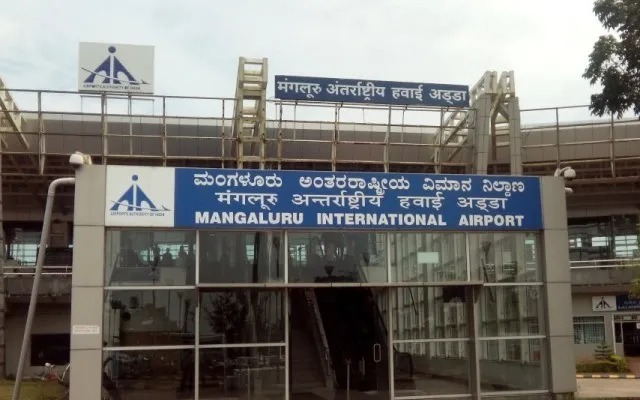
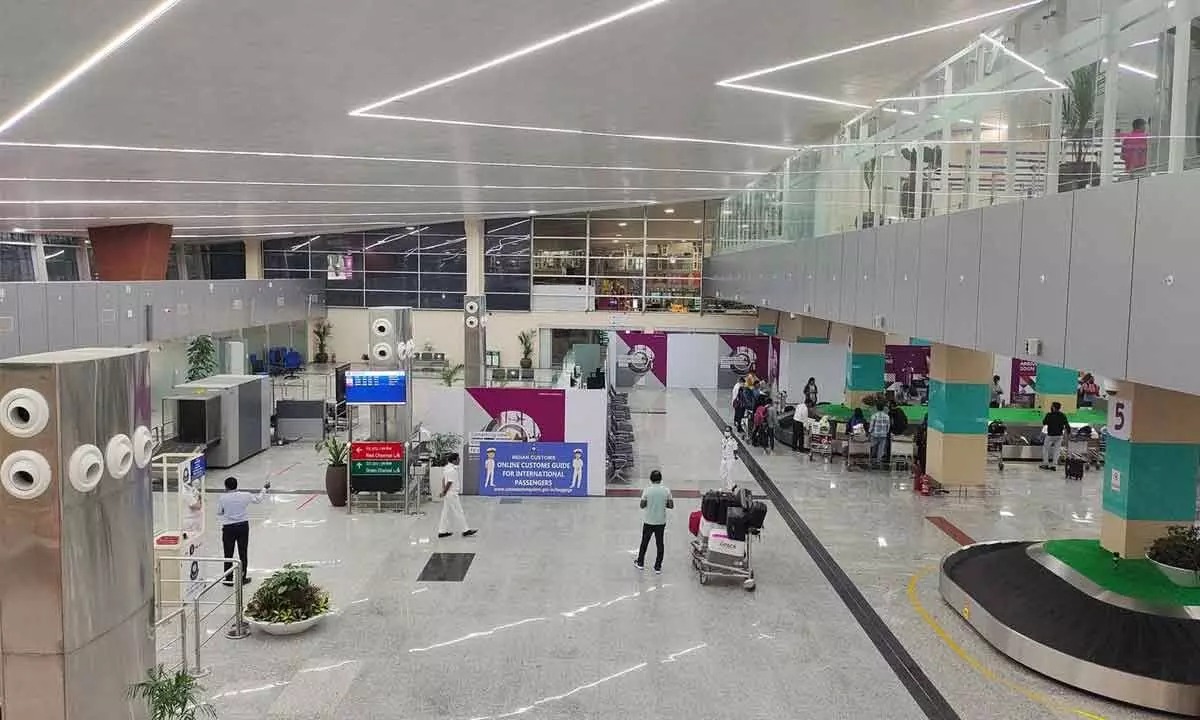
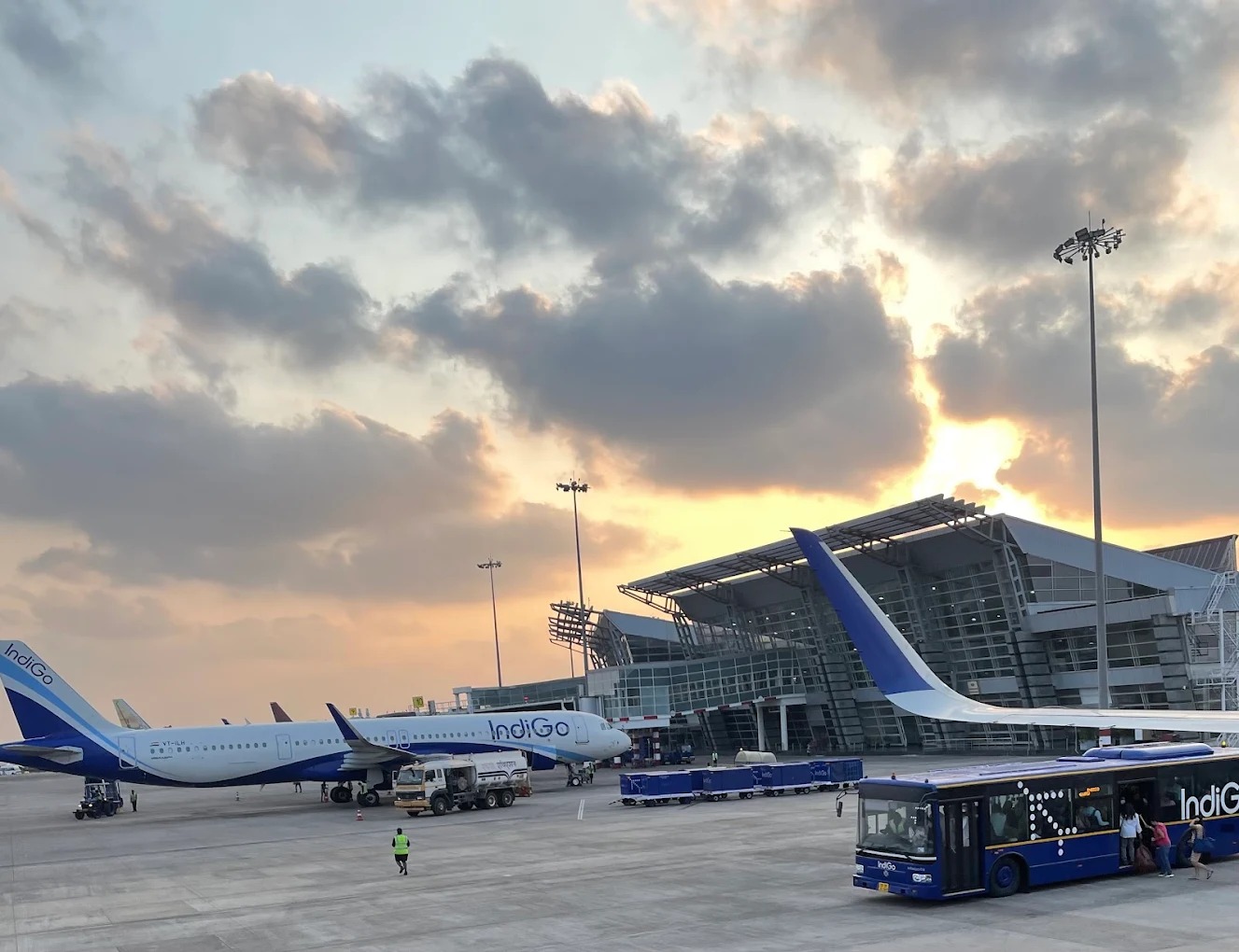
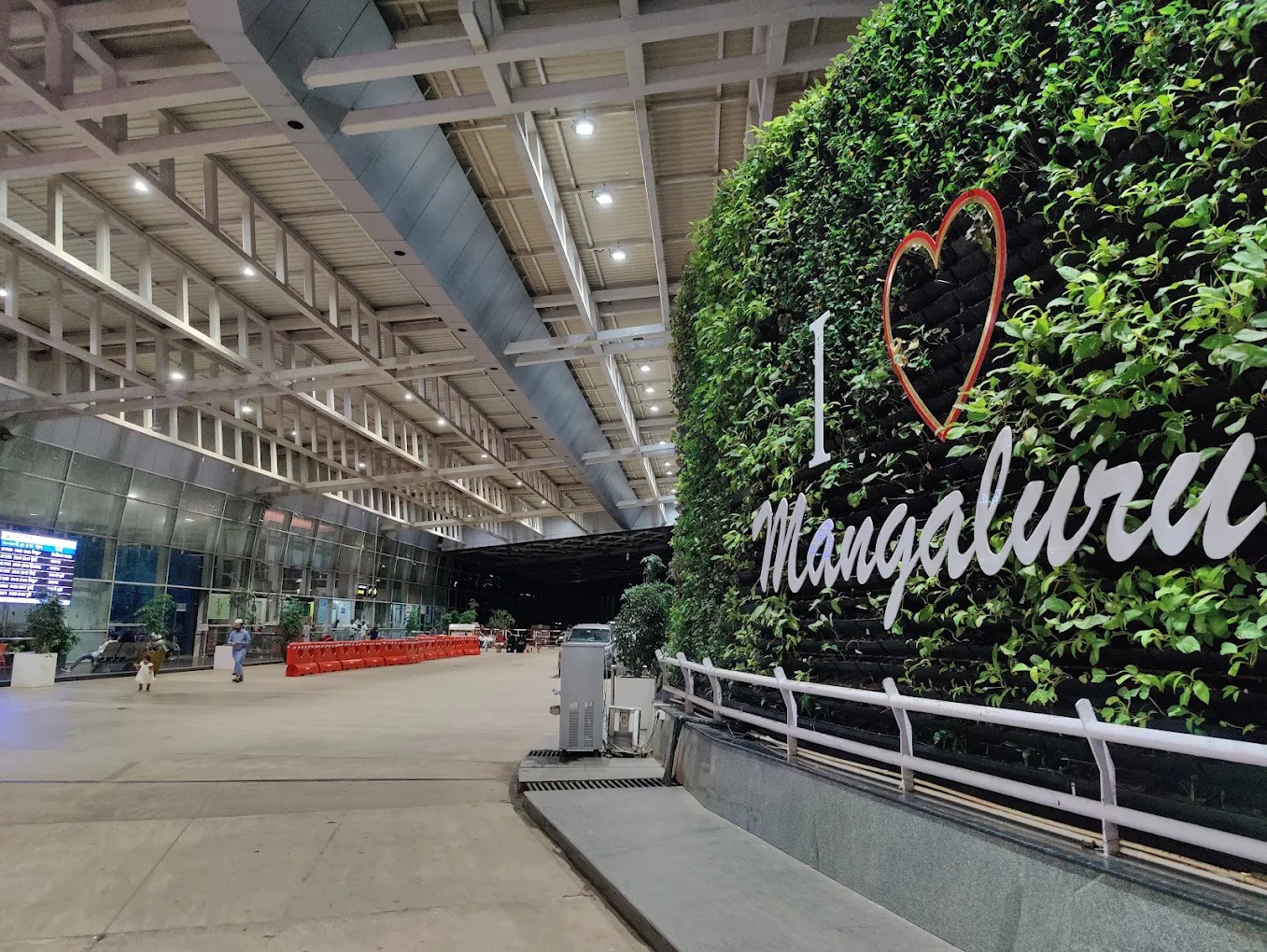
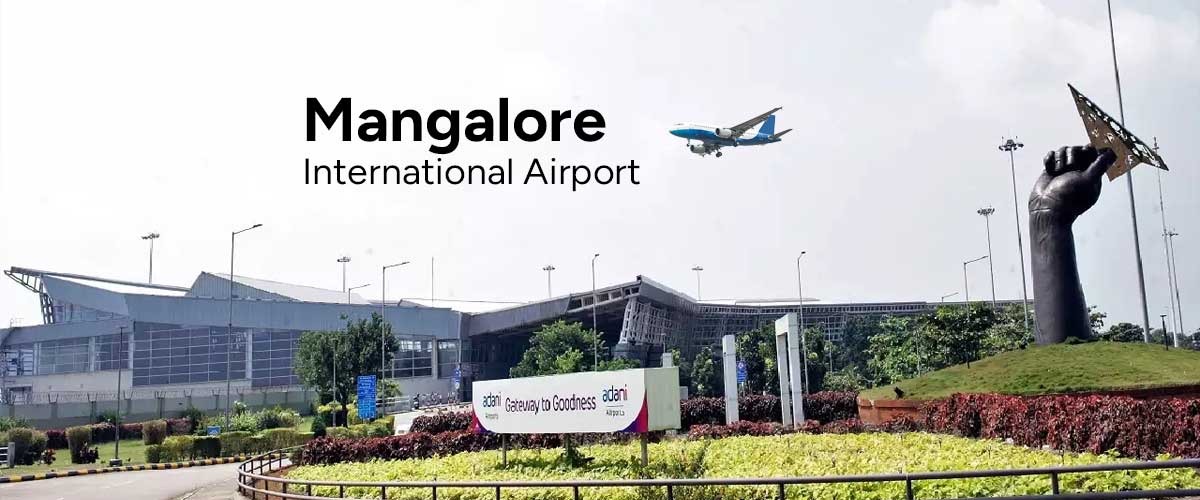
Mangalore International Airport (IXE), nestled in the coastal city of Mangaluru, Karnataka, stands as a vital gateway for the region's expanding economy. Serving a population rich in expatriates, tourists, business travellers, students and professors the airport has evolved significantly since its inception in 1951. However, despite its international designation since 2006, it lacks the coveted Point of Call (PoC) status, a critical authorization from the Indian government that permits foreign airlines to operate direct flights to and from the airport. This status is essential for tier II city airports like Mangalore to fully integrate into global aviation networks, as it allows international carriers to codeshare, establish hubs, or launch routes without relying solely on Indian operators. Recently the Indigo aviation crisis hit the airport exceptionally as the connecting disrupted sectors ensured Mangalore is left out of the consideration for prioritization. Passengers who had connecting flights to other cities of India and abroad, could not go, or missed their flights because of the airport lagging behind in many aspects.
Mangalore airport although holding international status, does not have a world class lounge access, lacks buggy facility to transport passengers downhill & uphill at no cost, given that it’s a table top airport which could have been avoided and also is yet to fully expand Uber, Ola services. Public transport connectivity at the airport is yet to evolve and remains a sizeable challenge.
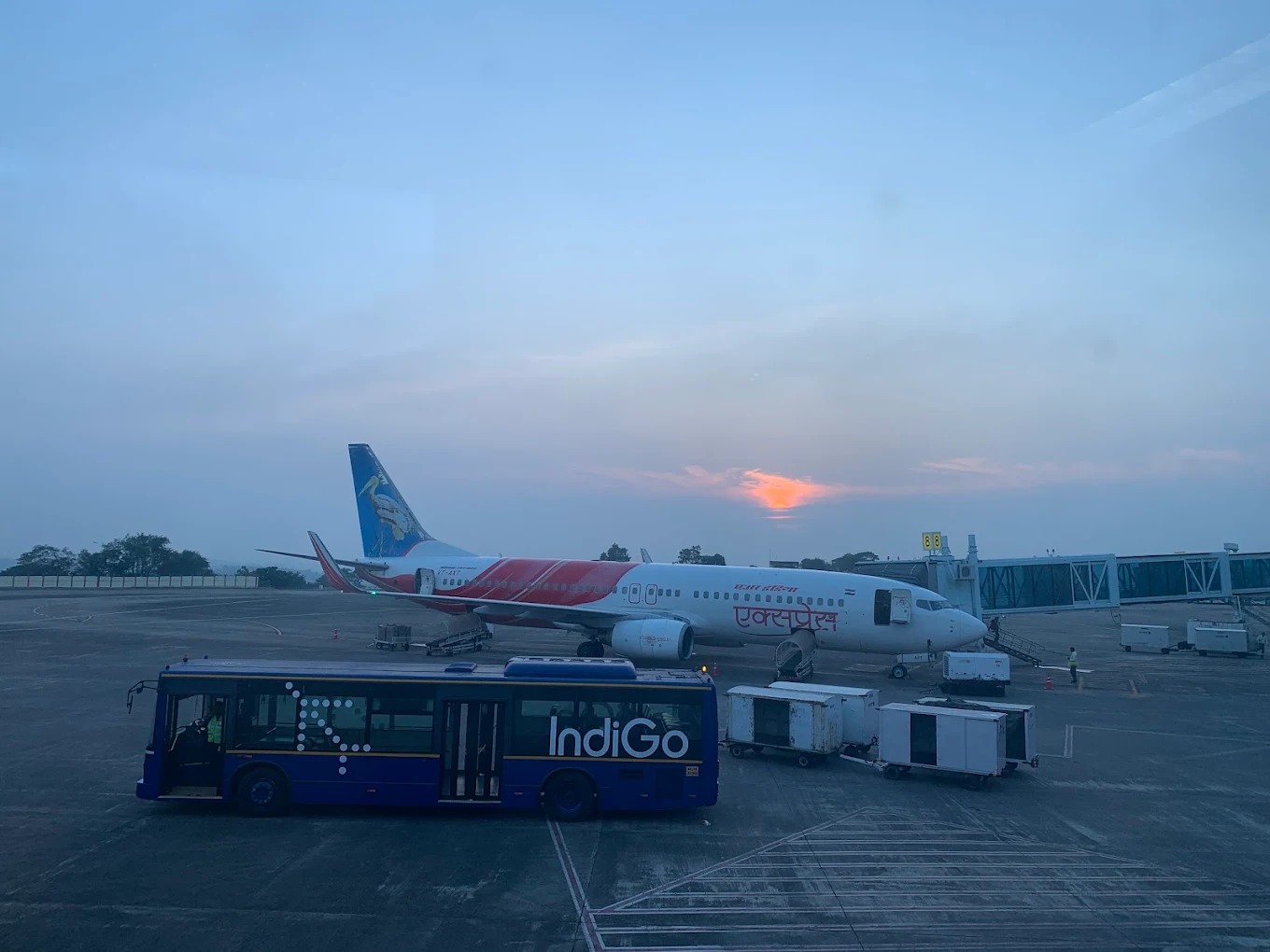
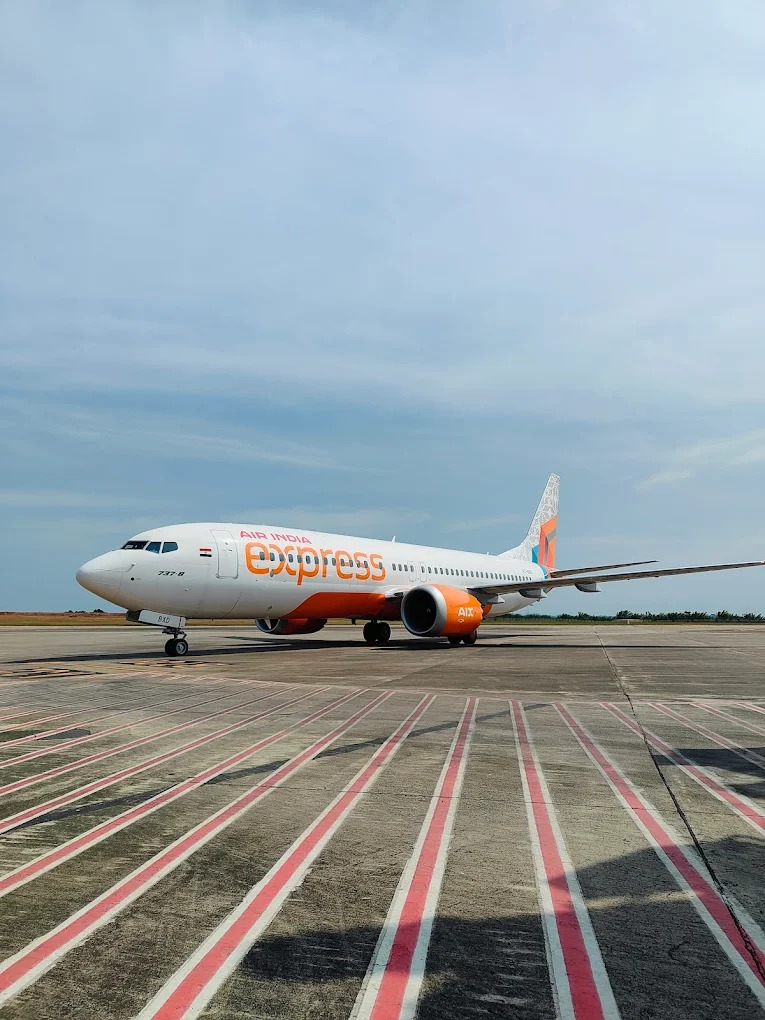
Currently, Mangalore's international connectivity is limited to flights operated by Indian aviation carriers such as Air India Express and Indigo, primarily to Middle Eastern destinations with direct flights to some cities, constraining its potential and paralyzing exponential growth possibilities aligned with the vision of Prime Minister Narendra Modi.
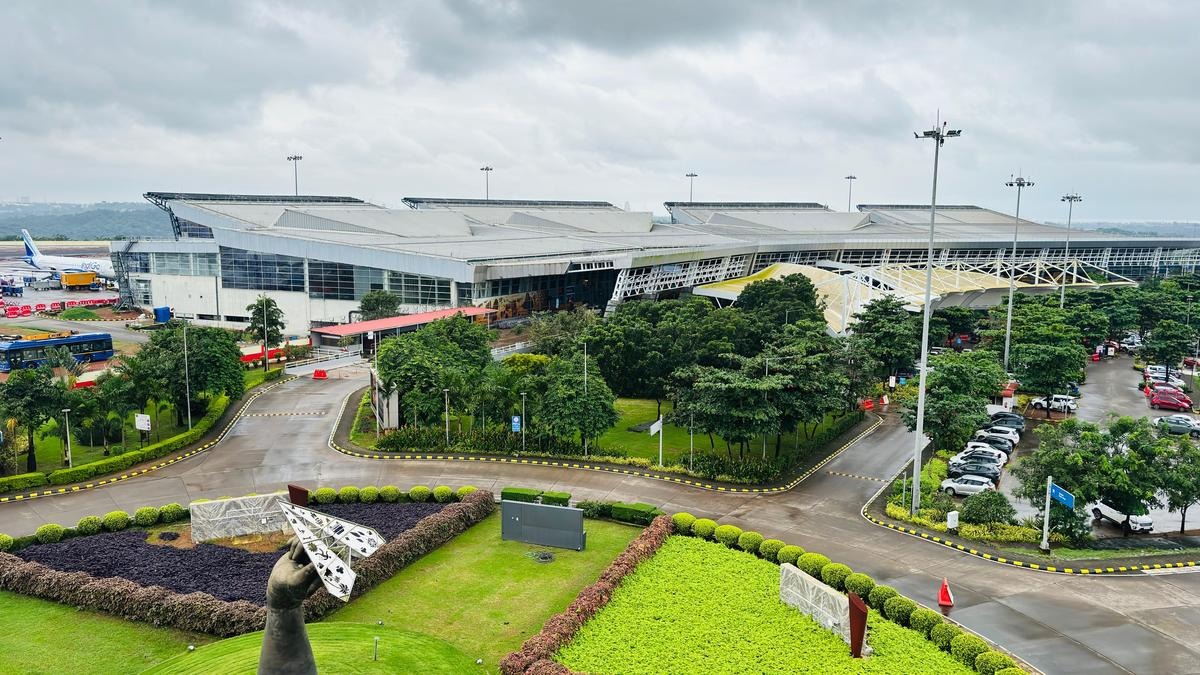
Mangalore International Airport, operated by Adani Group under a public-private partnership since 2019, handles over 2.3 million passengers annually, marking a 15.4% growth in the fiscal year 2024-25. It ranks as Karnataka state’s second-busiest airport after Bengaluru, with 16,763 aircraft movements and 2,213 tons of cargo in the same period. The airport features two tabletop runways—a challenging topography where runways perch on hilltops with steep drops—measuring 1,615 meters and 2,450 meters, respectively and makes it more risky during heavy monsoon and heavy wind.
Despite multiple city operations and daily flights to the Middle East countries, the absence of PoC status restricts foreign airlines like Fly Dubai, Air Arabia, Emirates, Singapore Airlines, Cathay Pacific, Thai Airways, Lufthansa, Mahan Air, Air Asia from flying directly, forcing passengers to transit through metro airports like Mumbai or Bengaluru. This limitation stems from government policy; in February 2025, the Ministry of Civil Aviation stated that new non-metro airports, including Mangalore, are not being granted PoC to concentrate international traffic at major hubs. This policy overlooks Mangalore's strategic location—proximate to West Asia, Southeast Asia, and SAARC nations—and its economic vibrancy in sectors like IT, tourism, education, and healthcare. For instance, potential routes to Singapore via carriers like Scoot could unlock S$2 billion in pending investments. Without PoC, the airport misses out on boosting coastal tourism and also discourages international and national students from studying at prestigious Universities like Yenepoya University.
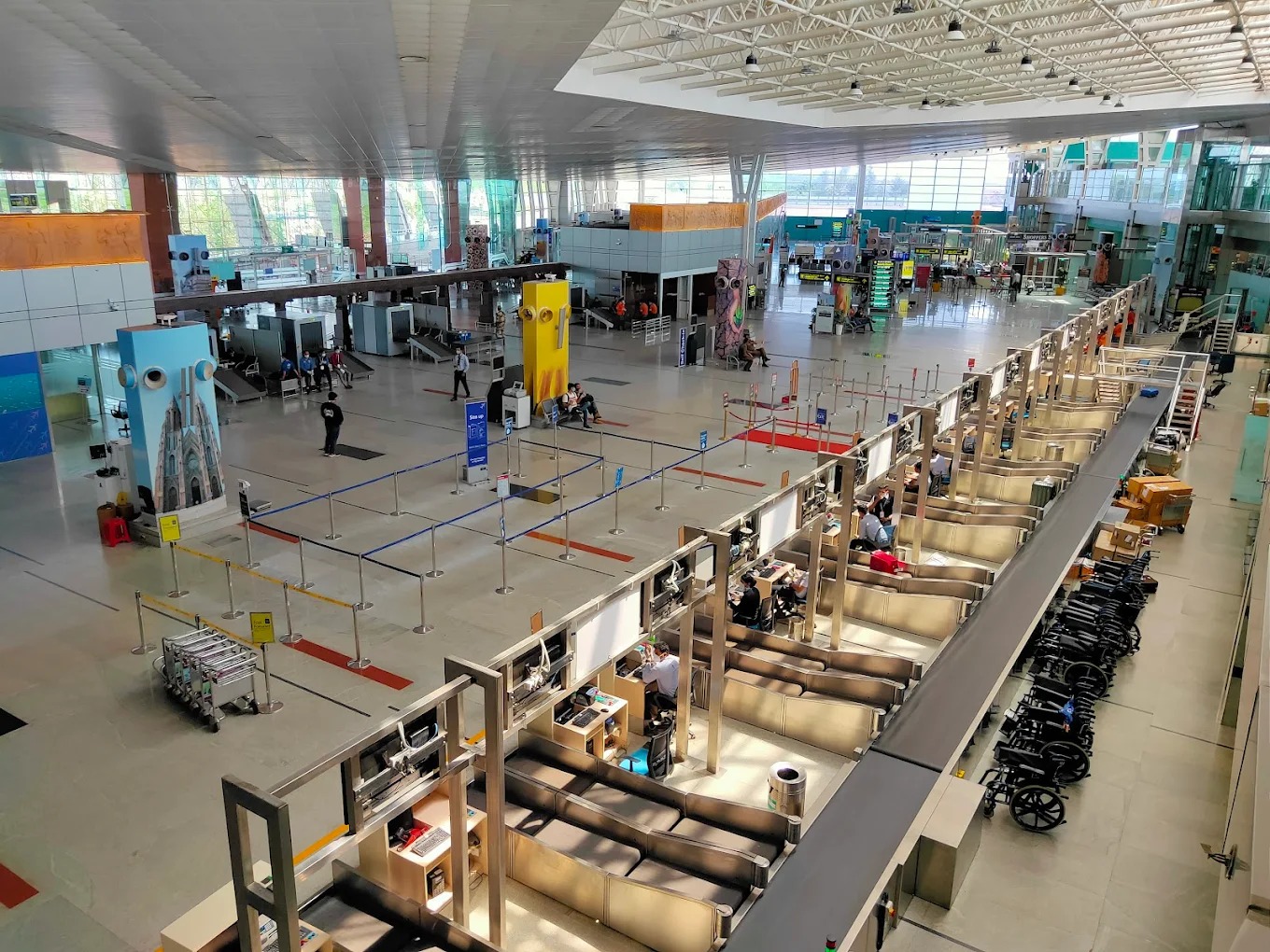
Runway expansion, terminal capacity scaling up to handle peak loads and cargo facilities need to be supported for at scale business growth simultaneously. Beyond physical infrastructure, operational efficiencies are key. The airport has adopted advanced technologies, including an automated air traffic management system in 2013 and a new ATC tower in 2015, integrating radar from multiple cities for safer operations. Recent runway recarpeting in 2023 added centerline lights for low-visibility landings, enhancing reliability for international carriers. DigiYatra adoption reached 30% in October 2025, reducing wait times at gates and security, aligning with global standards for seamless travel.
Direct flights could boost tourism from Europe and Southeast Asia, create jobs, and facilitate exports thereby strengthening the Government of India goals for continuous business growth.
Mangalore International Airport given its strategic location, educational and business hub, incoming tide of professional migrants from other cities, foreign tourists must urgently be granted a PoC status by the Ministry of Civil Aviation and a visionary government leadership can certainly appreciate this facet which is fully aligned with global growth, making Mangalore city a global destination.