Beetroot juice and impact on hypertensive patients – the preventive medicine way
Published on April 17, 2026
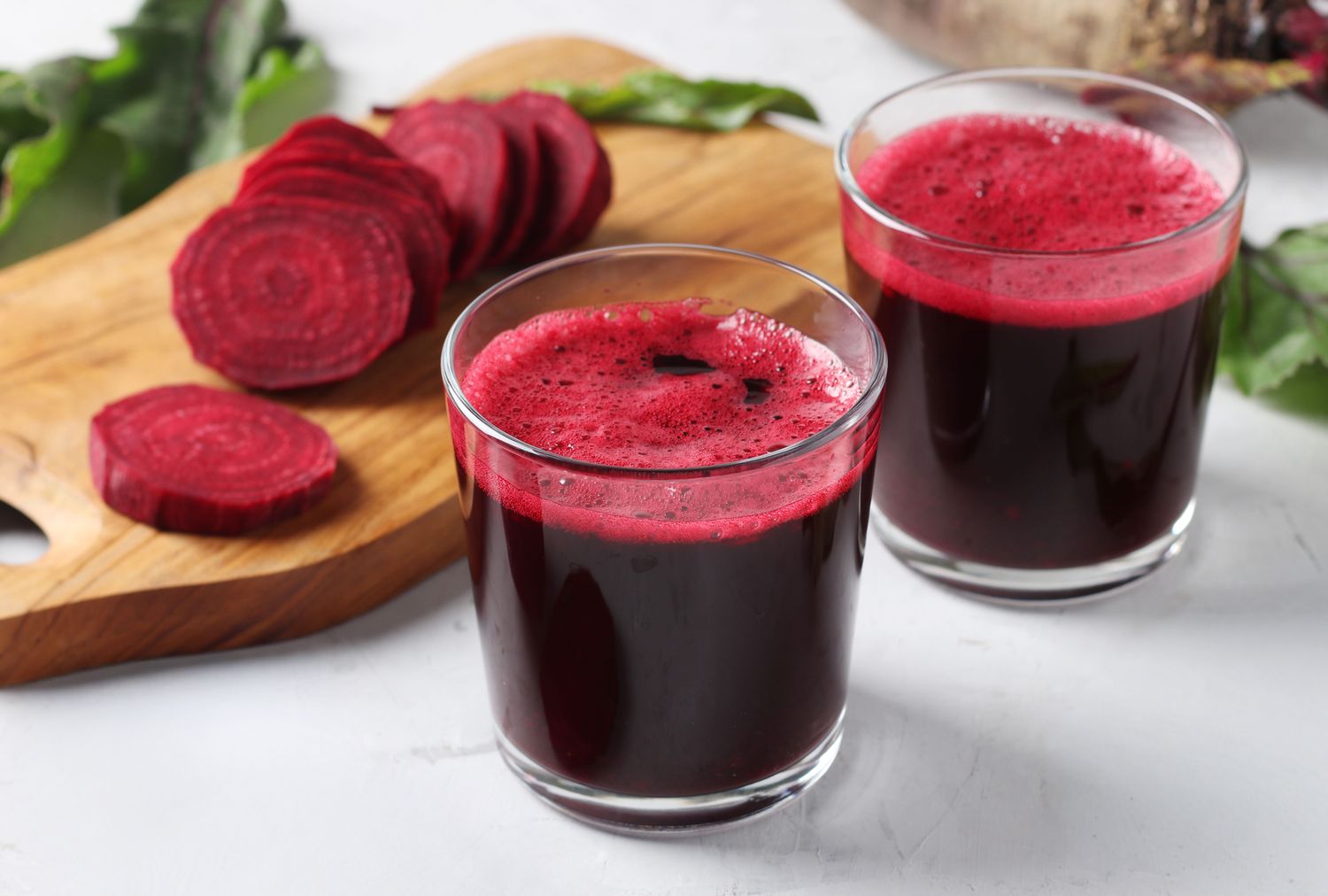
Beetroot juice has captured the spotlight as a natural remedy capable of delivering remarkable benefits for people battling hypertension. Often dubbed a "miracle" in wellness circles, its effects stem from solid science rather than hype. Rich in dietary nitrates, this vibrant vegetable juice supports the body's production of nitric oxide - a key molecule for blood vessel relaxation and improved circulation. Clinical research shows it can meaningfully lower blood pressure in hypertensive patients, offering a simple, accessible adjunct to lifestyle changes and medications. While not a standalone cure, consistent use provides measurable improvements in cardiovascular health without the side effects of some pharmaceuticals.
Beetroot (Beta vulgaris) juice derives its potency primarily from high concentrations of inorganic nitrate (NO₃⁻), typically delivering 200–800 mg per serving depending on concentration and volume. A standard 250 mL glass of beetroot juice contains around 6–7 mmol of nitrate—far more than most vegetables. It also boasts betalains (antioxidant pigments responsible for its deep red color), polyphenols, flavonoids, vitamin C, folate, and potassium. These compounds work synergistically, but nitrates are the star player for blood pressure regulation.Unlike synthetic supplements, beetroot juice provides nitrates in a food matrix that enhances bioavailability. The body converts them efficiently through a unique pathway involving oral bacteria and stomach acid, bypassing the need for endothelial nitric oxide synthase (eNOS) enzymes that can become impaired in hypertension.
The "miracle" unfolds via the nitrate-nitrite-nitric oxide pathway. When you drink beetroot juice, salivary glands concentrate nitrates. Oral bacteria reduce them to nitrites. Swallowed nitrites then enter the bloodstream and convert to nitric oxide (NO) in low-oxygen or acidic environments—precisely where blood vessels need help.
Nitric oxide diffuses into vascular smooth muscle cells, activating guanylate cyclase. This raises cyclic GMP levels, leading to muscle relaxation, widened arteries, and reduced vascular resistance. The result: lower blood pressure, better endothelial function, and improved blood flow. Additional benefits include reduced arterial stiffness and oxidative stress from betalains and polyphenols, which may explain some nitrate-independent effects observed in studies.
In hypertensive individuals, where endothelial dysfunction is common, this pathway restores balance. A 2025 study highlighted another layer: beetroot juice reshapes the oral microbiome in older adults, boosting nitrate-reducing bacteria and amplifying the effect.
Decades of research, including randomized controlled trials (RCTs) and meta-analyses, confirm beetroot juice's efficacy. Early work laid the foundation, but recent reviews focused on hypertensive populations provide the strongest data.
A landmark 2015 double-blind RCT involved 68 hypertensive patients (drug-naïve and treated). Participants consumed 250 mL of nitrate-rich beetroot juice (~6.4 mmol nitrate) or nitrate-depleted placebo daily for 4 weeks. Results were impressive: clinic blood pressure fell by 7.7/2.4 mmHg, 24-hour ambulatory blood pressure by 7.7/5.2 mmHg, and home measurements by 8.1/3.8 mmHg. Endothelial function improved by ~20%, and arterial stiffness decreased significantly. No tolerance developed, and benefits persisted without tachyphylaxis.
Larger syntheses reinforce these findings. A 2022 systematic review and meta-analysis by Benjamim et al. pooled seven RCTs with 218 hypertensive participants. Daily beetroot juice (70 - 250 mL, 3 - 60 days) reduced systolic blood pressure (SBP) by 4.95 mmHg (95% CI: -8.88 to -1.01; p<0.001; moderate GRADE certainty). Diastolic blood pressure (DBP) showed a non-significant drop of 0.90 mmHg. The authors attributed effects directly to nitrate-derived nitric oxide.
An even more targeted 2024 meta-analysis by Grönroos et al. examined 11 trials involving 349 patients with hypertension (clinic BP ≥140/90 mmHg). Beetroot juice (200 - 800 mg nitrate daily) lowered clinical SBP by 5.31 mmHg (95% CI: -7.46 to -3.16; I²=64%; low certainty). Effects held up to 90 days with no tolerance. However, DBP and 24-hour ambulatory BP showed no significant changes. The review noted a possible inverse dose-response—lower nitrate doses sometimes yielded stronger effects - and called for caution due to study heterogeneity.
Earlier meta-analyses, such as Siervo's 2013 review, reported similar SBP reductions of ~4.5 mmHg across broader populations. Benefits appear more pronounced in hypertensives than normotensives, with acute effects peaking 2–3 hours post-ingestion and chronic use providing sustained gains. Complementary outcomes include better exercise tolerance in heart failure patients and potential vascular protection.
These reductions are clinically meaningful: a 5 mmHg SBP drop can lower stroke risk by ~14% and heart disease mortality by ~9%, per established epidemiological data.
How to Incorporate Beetroot Juice
For optimal results, aim for 70 - 250 mL daily, delivering 200–800 mg nitrate. Concentrated "shots" (70 mL) or fresh juice work equally well. Consume in the morning or split doses; effects are dose-dependent but plateau at higher intakes. Combine with a healthy diet - pairing with leafy greens enhances nitrate synergy.Store juice refrigerated and choose 100% pure varieties without added sugar. Effects may appear within hours but build over weeks. Track blood pressure at home for personalized insights. Duration: 4 - 12 weeks shows consistent benefits; longer-term safety data are promising but limited.
Safety, Side Effects, and Precautions
Beetroot juice is generally safe for most adults. Common side effects include beeturia (pink/red urine or stools from betalains) - harmless and temporary. High oxalate content warrants caution for those prone to kidney stones. Gastrointestinal upset or temporary blood pressure dips may occur in sensitive individuals. Extremely high nitrate intake (>300 mg/day chronically) carries a rare risk of methemoglobinemia, but typical doses avoid this.
It may enhance the effects of blood pressure medications, so monitor closely and inform your healthcare provider. Pregnant individuals or those with specific conditions should seek medical advice.
A Natural Ally Worth Considering
Beetroot juice demonstrates how a simple dietary addition can support hypertension management through proven nitric oxide pathways. Meta-analyses and RCTs consistently show 4 - 8 mmHg reductions in systolic blood pressure - effects comparable to some lifestyle interventions and meaningful for cardiovascular risk reduction. It improves endothelial health, reduces stiffness, and fits seamlessly into daily routines.